NiMH ต้องการอิเล็กทรอนิกส์น้อยกว่าลิเธียม แต่แพ็กอนุกรมยังต้องการการคัดเกรดจับคู่, PTC และฟิวส์, การเฝ้าดู NTC และบางกรณีต้องมี PCM ป้องกัน
นักออกแบบที่มาจากลิเธียมไอออนมักเริ่มโปรเจกต์ NiMH ด้วยการถามว่าจะซื้อระบบจัดการแบตเตอรี่ (BMS) ตัวไหน — และแปลกใจเมื่อรู้ว่าแพ็ก NiMH จำนวนมากทำงานสมบูรณ์แบบมาหลายปีโดยไม่มีอิเล็กทรอนิกส์เลย เคมีของนิกเกิล-เมทัลไฮไดรด์ทนการชาร์จเกิน คายประจุลึก และการใช้ผิดปานกลางได้ดีกว่าลิเธียมมาก ซึ่งเปลี่ยนสมการการออกแบบ กระนั้น «ไม่ต้องใช้ BMS» ไม่ได้แปลว่า «ไม่ต้องออกแบบ» แพ็กหลายเซลล์แบบอนุกรมยังเสียได้ในรูปแบบที่คาดเดาได้ และวิศวกรรมแพ็ก NiMH ที่ดีจะแทนที่อิเล็กทรอนิกส์ซับซ้อนด้วยการจับคู่ การป้องกันแบบพาสซีฟ และการชาร์จที่มีวินัย บทความนี้อธิบายว่าแพ็ก NiMH ต้องการการป้องกันอะไรจริง ๆ — และเมื่อใดที่บอร์ดป้องกันคุ้มค่ากับตำแหน่งของมันจริง
ทำไม NiMH ต้องการอิเล็กทรอนิกส์น้อยกว่าลิเธียมมาก
แพ็กลิเธียมไอออนพึ่ง BMS ในการอยู่รอด: การเฝ้าดูแต่ละเซลล์, การบาลานซ์แบบแอคทีฟหรือพาสซีฟ, ตัดชาร์จเกินที่ 4,2 โวลต์, ตัดคายประจุลึก, ป้องกันลัดวงจร และตัดด้วยความร้อน ล้วนบังคับ เพราะหากไม่มี เคมีลิเธียมอาจเข้าสู่การหนีความร้อน NiMH ขจัดภาระส่วนใหญ่นี้ออกไป:
- การรวมตัวออกซิเจนภายใน — ดูดซับกระแสชาร์จเกินปานกลางแล้วเปลี่ยนเป็นความร้อนแทนก๊าซอันตราย เซลล์จึงทนการชาร์จไม่สมบูรณ์ที่จะทำลายลิเธียมได้
- คายประจุลึกและแม้แต่การกลับขั้วชั่วคราว — รอดได้ โดยเฉพาะในสตริงที่จับคู่กัน
- ไม่มีกลไกหนีความร้อน — อิเล็กโทรไลต์น้ำไม่ติดไฟ ความเสียหายจึงลดประสิทธิภาพแทนที่จะลุกลามเป็นไฟ
นั่นคือเหตุที่แพ็กผู้บริโภคง่าย ๆ — แบตเตอรี่ของเล่น เซลล์ไฟโซลาร์ อุปกรณ์ไร้สายพื้นฐาน — ส่งมอบพร้อมแค่แถบต่อ ฟิล์มหด และ PTC
โหมดเสียจริงในสตริง NiMH อนุกรม
จุดที่แพ็ก NiMH เสียจริงคือระดับแพ็ก ผ่านกลไกที่นักออกแบบทุกคนควรเข้าใจ:
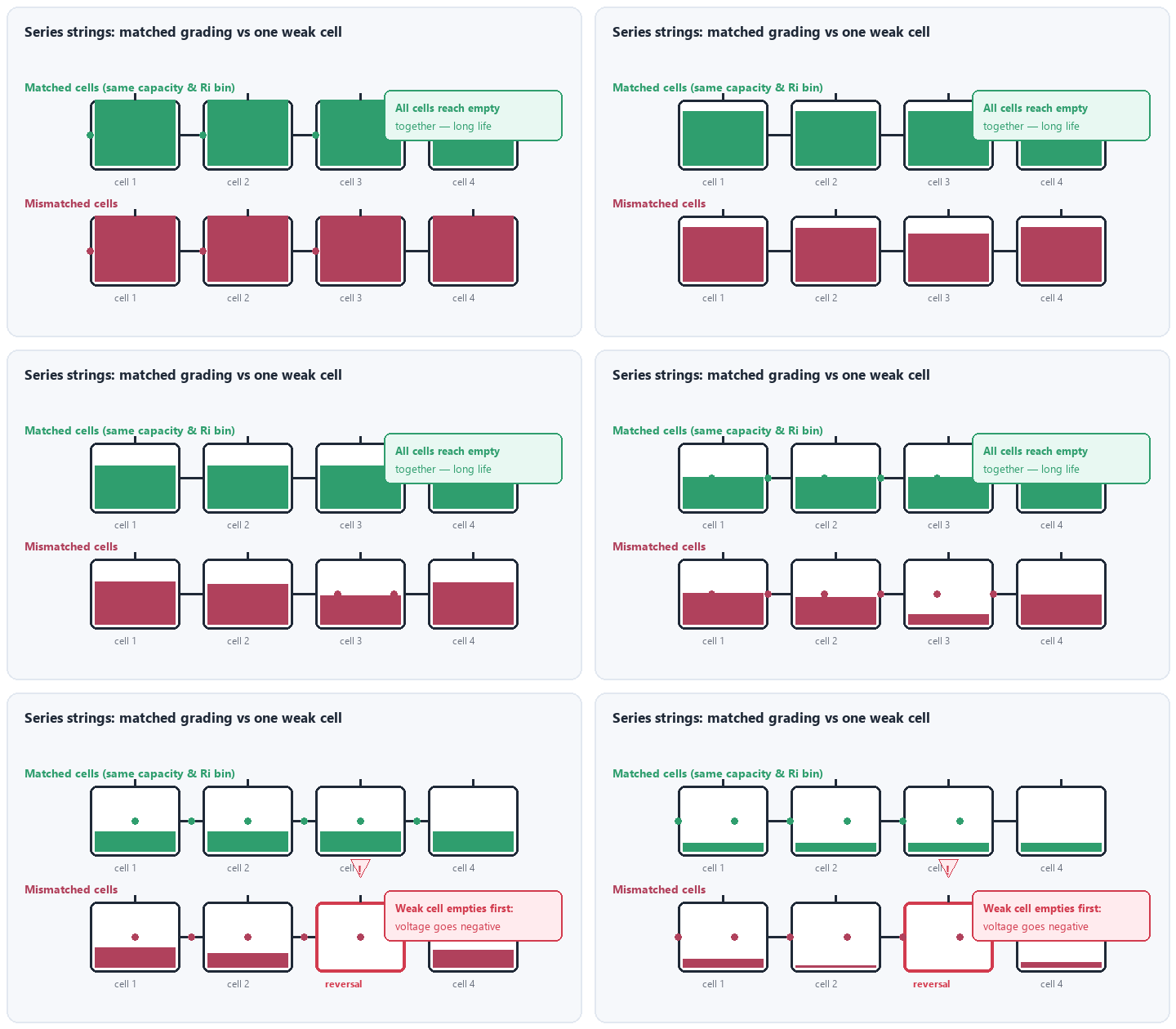
- กลับขั้วเซลล์อ่อนแอ — ในสตริงอนุกรม เซลล์ที่ความจุต่ำสุดจะว่างก่อน; คายประจุต่อจะดันแรงดันเป็นศูนย์แล้วติดลบ (กลับขั้ว) สร้างก๊าซและความร้อน เร่งการเสื่อม
- การสะสมความไม่ตรงกัน — ความต่างเล็กน้อยของความจุและความต้านทานระหว่างเซลล์ทบต้นทบปลายทุกวัฏจักร; เซลล์อ่อนทำงานหนักกว่า ร้อนกว่า และอ่อนลงอีกในวงจรอุบาทว์
- ร้อนจากชาร์จเกิน — แพ็กที่ถูกทิ้งไว้ชาร์จนานเกินไปเปลี่ยนกระแสเป็นความร้อน; ความร้อนสูงต่อเนื่องทำให้ซีพาเรเตอร์แห้งและความต้านทานภายในเพิ่มขึ้น
- ลัดวงจรภายนอก — NiMH สามารถจ่ายกระแสเสียขนาดใหญ่มากที่ทำให้แถบต่อและสายไฟร้อน แม้ตัวเคมีเองยังไม่เป็นอันตราย
แนวป้องกันแรก: จับคู่และคัดเกรดเซลล์
การ «บาลานซ์» ที่ถูกที่สุดและเชื่อถือได้ที่สุดในแพ็ก NiMH เกิดขึ้นก่อนประกอบ เซลล์จากล็อตเดียวกัน คัดแยกเป็นช่องแคบ ๆ ตามความจุจริง ความต้านทานภายใน และแรงดันวงจรเปิด จะคายประจุและชาร์จในอัตราที่เกือบเหมือนกัน จึงไม่มีเซลล์ไหนว่างหรือเต็มก่อนเพื่อนมาก การคัดเกรดจับคู่ในโรงงานขจัดความไม่สมดุลส่วนใหญ่ที่ BMS ลิเธียมมีไว้แก้ — นั่นคือเหตุที่การระบุเซลล์คัดเกรดสำคัญกว่าการระบุอิเล็กทรอนิกส์ฉลาด ๆ
ฮาร์ดแวร์ป้องกันที่สำคัญจริง
แพ็ก NiMH ที่ออกแบบดีจะซ้อนชิ้นส่วนง่าย ๆ พิสูจน์แล้ว แทนการควบคุมด้วยไมโครโปรเซสเซอร์:
- PTC (ฟิวส์รีเซ็ตได้) — อุปกรณ์โพลิเมอร์สัมประสิทธิ์อุณหภูมิบวกที่ความต้านทานพุ่งเมื่อร้อนเกินหรือกระแสเกิน แล้วรีเซ็ตเองเมื่อความเสียหายหายไป ชั้นแรกมาตรฐานกันลัดวงจร
- ฟิวส์กระแสหรือฟิวส์ความร้อน — การตัดขั้วสุดท้ายที่รีเซ็ตไม่ได้สำหรับลัดวงจรต่อเนื่องหรือร้อนเกินในแพ็กไร้การดูแล
- เทอร์มิสเตอร์ NTC — เซ็นเซอร์อุณหภูมิที่ป้อนให้เครื่องชาร์จหรืออุปกรณ์โฮสต์ทำให้สามารถตัดชาร์จ ΔT/Δt และควบคุมพัดลม; อุณหภูมิเป็นสัญญาณชาร์จเต็มที่เชื่อถือได้สุดของ NiMH
- ระยะโล่งวาล์ว — เชิงกล ไม่ใช่อิเล็กทรอนิกส์: เคสแพ็กต้องไม่ปิดกั้นวาล์วความดันของเซลล์
- จุดเชื่อมที่ทนทาน — แถบนิกเกิลและจุดเชื่อมสปอตขนาดถูกต้องช่วยลดจุดร้อนจากความต้านทาน; หลีกเลี่ยงการบัดกรีตรงลงบนเซลล์เพราะความร้อนทำลายซีล
เมื่อ PCM ป้องกันหรือ BMS เต็มรูปแบบคุ้มค่า
อิเล็กทรอนิกส์เริ่มคุ้มค่าเมื่อความซับซ้อนและผลกระทบของแพ็กเพิ่มขึ้น:
- จำนวนเซลล์อนุกรมสูง (เกินประมาณ 8–10 เซลล์) ที่ความเสี่ยงกลับขั้วและการกระจายแรงดันเพิ่มขึ้น
- แพ็กไร้การดูแลหรือติดตั้งถาวร — ระบบสำรอง อุปกรณ์ใกล้ทางการแพทย์และอุตสาหกรรมที่ผู้ใช้ตรวจเซลล์ไม่ได้
- จัดการชาร์จบนบอร์ด — คอนโทรลเลอร์ที่รันตรรกะ −ΔV, ΔT/Δt, อุณหภูมิสูงสุด และตัวจับเวลาป้องกันเครื่องชาร์จเสีย
- ความต้องการสื่อสารกับโฮสต์ — วัดปริมาณคงเหลือ รายงานสถานะชาร์จ หรือสวิตช์ตัดสำหรับอุปกรณ์สมาร์ท
- เซลล์ปนหรือผู้ใช้เปลี่ยนเอง — อุปกรณ์ที่อาจได้รับเซลล์ไม่ตรงกันหรือต่างอายุได้ประโยชน์จากการเฝ้าดูรายสตริง
เช็กลิสต์ออกแบบแพ็ก NiMH เชิงปฏิบัติ
- ระบุเซลล์ล็อตเดียวคัดเกรดเป็นช่องแคบ ๆ ด้านความจุและความต้านทาน
- ใส่ PTC ในทุกแพ็ก; เพิ่มฟิวส์ความร้อนสำหรับแพ็กไร้การดูแลหรือพลังงานสูง
- เพิ่ม NTC ทุกครั้งที่ควบคุมชาร์จหรือจัดการความร้อนเป็นแบบอิเล็กทรอนิกส์
- ออกแบบเครื่องชาร์จรอบ −ΔV พร้อมสำรองด้วยอุณหภูมิและตัวจับเวลา และรักษาชาร์จแผ่วที่ C/20 หรือต่ำกว่า
- เปิดทางวาล์วโล่งและรักษาจุดเชื่อมความต้านทานต่ำ; ตรวจอุณหภูมิลัดวงจรกรณีเลวร้ายสุด
- ย้ายไป PCM เฉพาะที่จำนวนเซลล์ หน้าที่ หรือผลกระทบพิสูจน์ได้ — และปล่อยให้เซลล์จับคู่บาลานซ์ก่อน
Weijiang Power: การป้องกันแพ็กที่ออกแบบไว้แต่แรก ไม่ใช่ติดเพิ่มทีหลัง
Weijiang Power จัดหาเซลล์ NiMH คัดเกรดและแพ็กสั่งทำที่ออกแบบด้วยชั้นป้องกันที่เหมาะกับแต่ละหน้าที่ — ตั้งแต่แพ็กผู้บริโภคเชื่อมง่าย ๆ ไปจนถึงชุดประกอบอุตสาหกรรมป้องกันด้วย PCM พร้อม NTC ฟิวส์ และขั้วต่อสั่งทำ ข้อมูลคัดเกรดจับคู่ ชุดแถบเชื่อมสปอต และคำแนะนำโปรไฟล์ชาร์จช่วยให้คุณคงอิเล็กทรอนิกส์ให้เรียบง่ายโดยไม่เสียสละความน่าเชื่อถือ ส่งการจัดอนุกรม วิธีชาร์จ และข้อกำหนดความปลอดภัยมา แล้วเราจะออกแบบแพ็กที่ป้องกันตัวเองแบบ NiMH
ซีรีส์ · เจาะลึกวิศวกรรม NiMH
บทความที่เกี่ยวข้อง


